
Electricity bills in Metro Manila rarely stay still—especially as summer approaches. This year, another layer has been added: the Energy Regulatory Commission (ERC) approved the collection of over ₱31 billion in additional charges from Meralco customers, starting March 2026.
For homeowners, the question is simple: How do you protect your household budget when pass-through charges and seasonal consumption both push bills upward? The practical answer is not only about tracking rate announcements, it’s about reducing your home’s grid kWh exposure (the amount you still need to buy from Meralco).
This article explains what the ERC order means, why the ERC says the impact may be “minimal,” and the most realistic homeowner action you can take: a tailored rooftop solar plan designed around your actual usage, roof, and priorities.
Why the ERC says the rate impact may be “minimal”—but bills can still rise
ERC Chair Francis Saturnino Juan has been quoted saying the overall net effect on Meralco rates could be “minimal” or even “none,” largely because Meralco customers have already been paying a similar CIC rate averaging around ₱0.28/kWh since September 2025, continuing until February 2026. The ERC directed the remaining adjustments to begin in March 2026 to mitigate overlap and soften the immediate impact.
However, even if the line item feels like a continuation, many households still experience higher bills around summer because:
- You consume more kWh (air-conditioning, longer operating hours, higher cooling loads), and
- Other bill components move month-to-month (generation mix, spot market conditions, and other pass-through charges).
So the real homeowner risk is not just “rate news.” It’s kWh exposure—how much electricity you must still buy from the grid.
The homeowner strategy that stays valid despite changing charges
A practical hedge: rooftop solar
A properly designed rooftop solar system helps you power daytime household loads using your own generation—so you buy fewer kWh from the grid. When your grid kWh drops, your exposure to per-kWh adjustments also drops.
This is why many Metro Manila homeowners treat rooftop solar as a risk-reduction strategy as much as a savings strategy.
Why “tailored” matters: not every home should get the same system
A common mistake in residential solar is buying a “standard package” that doesn’t match real usage. The best-performing systems are designed around:
- your consumption pattern (day vs night usage),
- roof orientation and shading,
- available roof space,
- target outcome (lower bill, backup capability, battery-ready planning),
- and your budget and payback target.
At SGA – Solar Grid Alternatives, Inc., our approach starts with a free site assessment designed to be specific to your home—not generic.
Which solar setup fits a Meralco household in Metro Manila?
Because you said “system focus depends on the needs of the client,” here’s the decision logic we use during assessment:
1) On-Grid (Grid-Tied): best when your home uses power heavily in the daytime
If your household has daytime loads (WFH, kids at home, daytime aircon, appliances running during the day), on-grid solar can significantly reduce how much you buy from Meralco during peak solar production hours.
2) Hybrid or Battery-Ready: best when your priorities include resiliency or future-proofing
If your home’s heavy usage happens at night—or you want to prepare for future battery integration—hybrid or battery-ready system design can be considered. This is often chosen by homeowners who want both savings and a pathway to backup capability.
3) Right-sizing: best for homes with limited roof space
Not all roofs can host large systems. In those cases, the goal becomes maximizing impact: designing for the kWh offset that delivers the best return and reduces your highest-cost consumption windows.
Bottom line: the “best system” is the one aligned to how your household actually consumes electricity.
What to expect from residential solar performance (realistic ranges)
For many landed homes in Metro Manila with suitable roof space and consumption, homeowners commonly target:
- 30% to 70% reduction in electricity costs (depending on load profile and system size), and
- ROI in ~3 to 5 years for many suitable households.
Some homes can reach extremely low bills during strong production months, but outcomes always depend on roof conditions, shading, and usage behavior—this is exactly why assessment and engineering matter.
Why SGA: engineered design + premium components + long-term support
When the goal is to reduce exposure to rising electricity costs, your system must be designed for safe, stable output—not shortcuts.
SGA systems are built with premium, top-tier materials commonly including:
- Jinko Solar panels
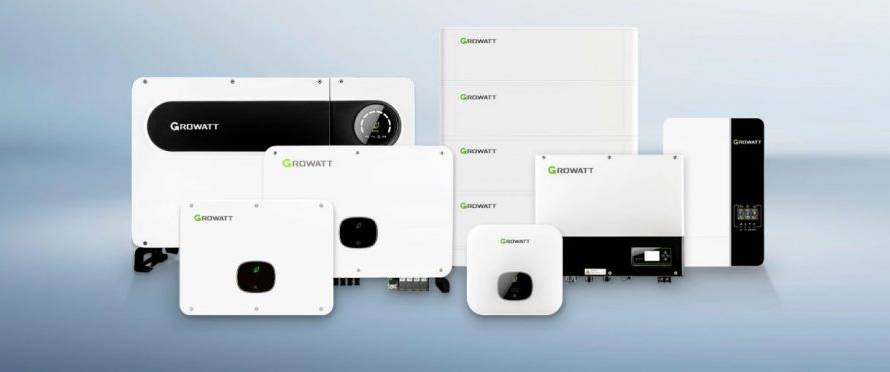
- Growatt & Luxpower inverters
- Clenergy mounting systems
Beyond hardware, the long-term outcome depends heavily on proper layout, structural approach, and after-sales support—especially in Metro Manila where roof types and wind exposure vary widely.
Free Site Assessment
If you want a plan that’s built around your home roof, usage pattern, and budget SGA offers a free site assessment for Metro Manila homeowners and nearby provinces.
Contact SGA: 0917 187 3444
Website: www.sga.net.ph